Reporter
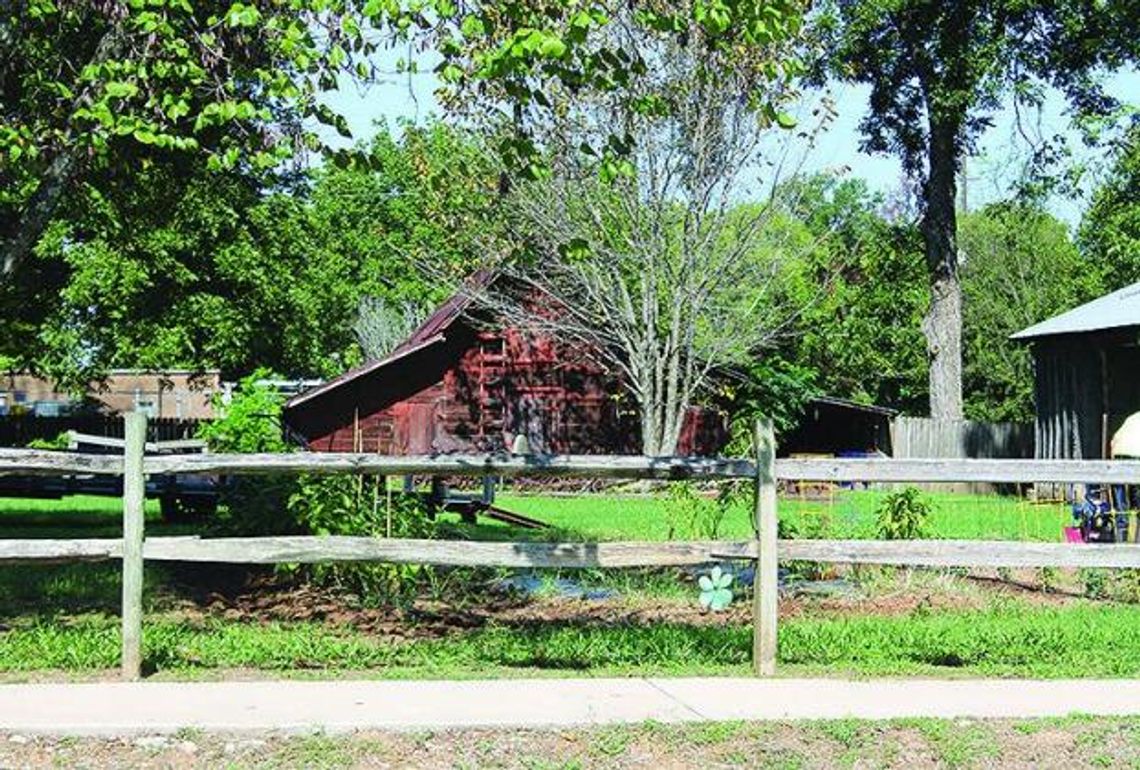
The history of Pittsburg is a long and varied story. The annual Pioneer Days Festival brightening the horizon gives an opportunity to highlight some of these stories that have made Pittsburg and the surrounding community what it has become. The Farmstead has some of its own tales to tell. The museum was given the house and toolshed, located out by the lake on Pistol Mill Road roughly four miles outside of town. Billy Law made it his job to get it moved to town. The Farmstead was moved by a family that had experience with this kind of project. “We want to operate the Farmstead to give people a look at the way rural life in East Texas, particularly Camp County, used to be,” said Lanny Brenner, the Museum Association President at the time. “They cut it in two pieced all around, and drug it in from the east,” Robert “Bob” Turner, archeologist and Northeast Texas Museum expert, explained. Because of the electrical wires, a couple of the family rode on top of the building to fend off these impediments with poles. They nailed the two halves back together. “And they did a good job of it,” Turner finished, nodding “Billy got ‘er done.” and it only cost the museum $100 per day to get it moved. Even though they were still building the Depot area of the museum, they took on the farmstead project with ease, placing the house on the location of an old funeral home. The museum has always been open Thursday through Saturday and run by volunteers.
The Farmstead was especially for the kids; to show them how life was in the old days. There were old-fashioned toys for the kids, such as wagon- wheel hoops to push around the yard, and a blacksmith forge so they could watch the “village smithy” with his “arms as strong as iron bands.” They could watch the garden grow (if they were patient enough), make candles, and look at the old-style fixings inside the home.